Evaluating the Brush Stroke Set and Grunge Paint Brush Set for Modern Design Workflows
In the evolving landscape of digital design, texture and authenticity have become critical differentiators. While vector graphics offer precision, they often lack the organic imperfection that connects with viewers on a human level. This is where a high-quality Brush Stroke Set or Grunge Paint Brush Set becomes an essential asset rather than a mere decorative add-on. These resources are not just collections of images; they are tools that bridge the gap between traditional media aesthetics and digital efficiency.
For designers, marketers, and crafters aged 20 to 50, the decision to integrate these assets into a workflow requires understanding their distinct characteristics, versatility, and limitations compared to other texturing methods. This analysis explores how these sets function, where they excel, and how to determine if they are the right fit for your specific creative projects.
Defining the Asset: What Makes Grunge Brushes Distinct?
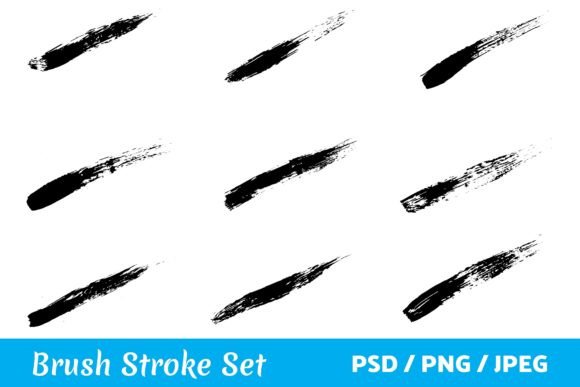
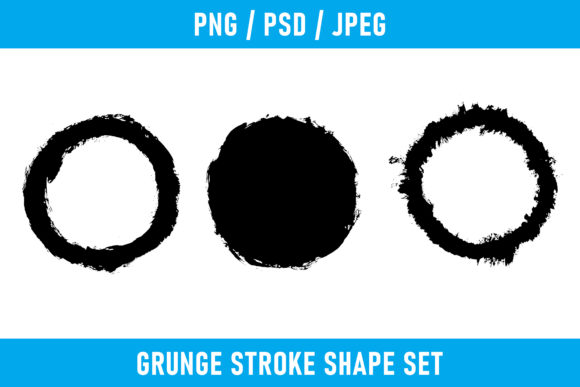
A Grunge Paint Brush Set typically consists of pre-rendered digital imitations of physical paint applications. Unlike standard digital brushes that require pressure sensitivity and skillful hand movement to look authentic, these sets provide ready-made strokes. The "grunge" aspect refers to the intentional inclusion of irregularities—splatters, dry brush effects, uneven edges, and pigment variations—that mimic real-world wear and artistic spontaneity.
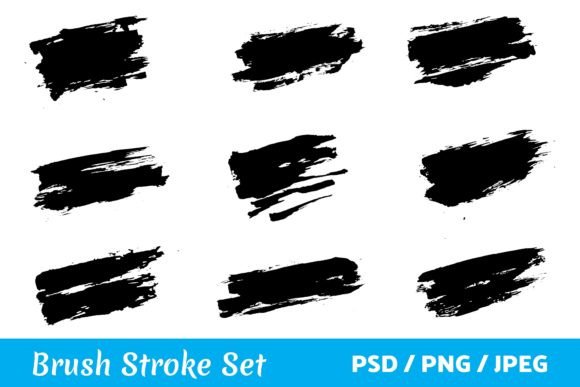
The primary distinction of a well-curated Brush Stroke Set lies in its resolution and format flexibility. High-quality sets are not merely low-resolution JPEGs stretched to fit a canvas. They are meticulously created to maintain clarity across various scales. This set of paintbrush strokes is perfectly created for your creative projects because it addresses the common pain point of pixelation when scaling textures. By offering multiple formats, including PSD, JPEG, and PNG, these sets ensure compatibility across different software ecosystems, from Adobe Photoshop to Canva or Affinity Designer.
Comparing Approaches: Pre-Made Sets vs. Custom Creation
When evaluating texturing options, designers generally face three choices: creating custom brushes from scratch, using procedural texture generators, or utilizing pre-made stroke sets. Each approach has tradeoffs regarding time, control, and consistency.
- Custom Creation: Building your own grunge brushes offers total control but demands significant time and expertise in both traditional painting and digital scanning. It is ideal for artists seeking a unique signature style but inefficient for tight deadlines.
- Procedural Generators: Software-based noise and texture generators provide infinite variability but often lack the specific artistic intent of a hand-painted stroke. They can feel repetitive or mathematically perfect, which contradicts the organic nature of grunge aesthetics.
- Pre-Made Brush Stroke Sets: These offer an immediate solution with curated artistic quality. The tradeoff is less uniqueness compared to hand-painted originals, but the gain in speed and professional polish is substantial for commercial work.
For most commercial applications, such as packaging or social media banners, the efficiency of a Brush Stroke Set outweighs the need for entirely unique, hand-crafted textures. The key is selecting a set with enough variation to avoid recognizable repetition across different projects.
Versatility Across Formats and Platforms
The utility of these assets is heavily dependent on file format support. A robust set includes PSD, JPEG, and PNG files, each serving a specific function in the design pipeline.
PNG files are crucial for layering. With transparent backgrounds, they allow designers to drop a grunge stroke directly onto a colored background, photo, or pattern without complex masking. This is particularly useful for T-shirts and packaging designs, where the stroke might need to interact with underlying textures or colors dynamically.
PSD files offer the highest level of editability. They often contain smart objects or separate layers for highlights and shadows, enabling designers to adjust the color, opacity, and blending modes non-destructively. This is vital for logo design or book covers, where brand colors must be exact, and the texture needs to integrate seamlessly with typography.
JPEG files, while lacking transparency, are lightweight and universally compatible. They are suitable for quick mockups or web-based elements where file size is a concern, such as website headers or social media banners.
Practical Use Cases and Best-Fit Scenarios
Understanding where these strokes add value helps in making an informed purchasing or usage decision. Here are several scenarios where a Grunge Paint Brush Set excels:
Branding and Identity
For brands aiming to convey authenticity, ruggedness, or artisanal quality, grunge strokes are effective. They soften the rigidity of vector logos and add a tactile feel to business cards and letterheads. However, they should be used sparingly to maintain legibility. A subtle stroke behind a logotype can anchor it visually without overwhelming the message.
Packaging and Print Media
In packaging design, texture influences perceived value. A coffee bag or craft beer label benefits from the organic feel of paint strokes, suggesting small-batch quality. The high-resolution nature of professional sets ensures that these textures print cleanly, avoiding the muddy appearance common with lower-quality assets.
Digital Marketing and Social Media
Social media feeds are crowded with polished, sterile imagery. Introducing grunge elements can stop the scroll by adding visual interest and contrast. These strokes work well as frames for product photos or as dynamic backgrounds for promotional text. Since these paintbrush strokes come in different formats, you can use these paintbrush strokes anywhere you want, adapting quickly to the square, vertical, or horizontal aspect ratios required by different platforms.
Limitations and When to Look Elsewhere
While versatile, a Brush Stroke Set is not a universal solution. There are specific contexts where alternative approaches may be more appropriate.
If a project requires strict corporate minimalism or high-tech futurism, grunge textures may clash with the brand identity. In such cases, clean geometric shapes or subtle gradients are more suitable. Additionally, if a designer needs a highly specific, non-repeating texture that matches a unique physical material exactly, custom photography or scanning may be necessary.
Another limitation is overuse. Because these assets are easy to apply, there is a risk of cluttering a design. Effective use requires restraint and an understanding of composition. The stroke should support the content, not distract from it.
Making the Right Choice for Your Projects
When deciding whether to incorporate a Brush Stroke Set or Grunge Paint Brush Set into your toolkit, consider the following factors:
- Project Timeline: If you need high-quality textures quickly, pre-made sets are superior to custom creation.
- Output Medium: Ensure the set provides high-resolution files (300 DPI or higher) if you are printing on large formats like banners or packaging.
- Software Compatibility: Verify that the included formats (PSD, PNG, JPEG) align with your primary design tools.
- Aesthetic Consistency: Review the entire set to ensure the style of strokes is consistent. A mix of overly disparate styles can make a brand feel unfocused.
You can use these brush strokes for your design, Craft Projects, Card, T-shirts, Packaging, Book Cover, Logo, Website, Social Media Banner, Banner, or anywhere you need. The flexibility of having multiple formats allows for seamless integration into both print and digital workflows. For professionals who value efficiency without sacrificing artistic integrity, investing in a comprehensive, high-quality brush stroke set is a strategic decision that enhances creative output while reducing production time.
Ultimately, the value of these assets lies in their ability to inject personality and depth into digital designs. By understanding their strengths and limitations, designers can leverage them effectively to create compelling, textured visuals that resonate with audiences across various media.