Mastering Realistic Oil Textures in Procreate
Transforming a flat digital canvas into a textured masterpiece requires more than just skill; it demands the right tools to bridge the gap between traditional artistry and modern technology. The Procreate Oil Brush Old Brush Wet on Dry offers precisely this capability, allowing designers to infuse their work with the tactile richness of physical paint. By simulating the resistance and flow of real bristles, this tool empowers creators to produce work that feels authentic, organic, and deeply engaging.
Elevating Brand Identity with Painterly Aesthetics
In an era where minimalism often dominates graphic design, there is a growing appetite for warmth and humanity in visual communication. Integrating realistic oil textures into your brand identity can differentiate your business by adding a layer of sophistication and craft. Whether you are working on logo design or comprehensive packaging design, the subtle imperfections of an old brush stroke can convey heritage, quality, and attention to detail.
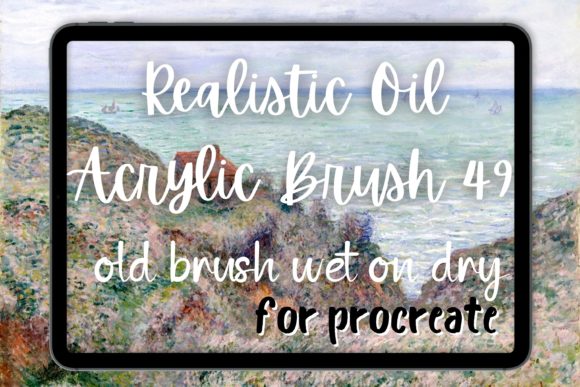
Using assets like the Procreate Oil Brush 49 Old Brush Wet on Dry Realistic Oil Painting Brush for Procreate allows for a unique blend of control and spontaneity. This is particularly effective for brands aiming to project an artisanal or premium image. The wet-on-dry technique creates distinct edges and layered depth, which can be leveraged to create striking social media graphics that stop the scroll and invite closer inspection.
Practical Applications Across Design Disciplines
The versatility of high-quality digital brushes extends far beyond simple illustration. When integrated thoughtfully into your design workflow, these tools can enhance various types of creative projects:
- Editorial Design: Add hand-painted headers or background textures to magazines and blogs to break up text and improve visual hierarchy.
- Web and UI Design: Use subtle brush strokes as decorative elements in hero sections to add personality without compromising UX design principles.
- Advertising Campaigns: Create eye-catching visuals for digital marketing that stand out against polished, corporate stock photography.
- Merchandise: Design unique patterns for apparel or home goods that retain their artistic integrity when printed.
Achieving the Van Gogh Effect Digitally
Many designers draw inspiration from the impasto techniques of post-impressionist masters. The desire to replicate the Van Gogh oil style has led to the development of specialized tools like the Van Gogh brush and Procreate Van Gogh presets. These resources are not about copying history but about understanding how thick, expressive oil brush strokes can convey emotion and movement.
When applying these techniques to abstract painting or impressionism-inspired layouts, focus on the interplay of light and shadow. The wet oil brush simulation helps build up layers naturally, mimicking the way real paint interacts with canvas. This approach adds a painterly quality that resonates with audiences seeking authenticity in modern aesthetics.
Tips for Effective Implementation
To ensure your use of textured brushes enhances rather than clutters your design, consider these professional guidelines:
- Maintain Consistency: If you use an old brush texture in one element, ensure it complements the rest of your color palette and typography. Avoid mixing too many disparate styles.
- Prioritize Readability: In editorial design or web design, ensure that textured backgrounds do not interfere with legibility. Use opacity adjustments or overlay modes to soften the effect.
- Scale Appropriately: High-resolution textures look great in print but can appear noisy on small mobile screens. Test your creative assets across different devices to maintain a professional presentation.
- Balance with Typography: Pair organic, rough brush strokes with clean, structured fonts to create a dynamic contrast that guides the viewer’s eye.
Whether you are exploring acrylic brush dynamics or refining a gouache brush look, the key lies in intentionality. Tools like the Procreate bundle options that include varied brush types allow for greater experimentation. By mastering the wet on dry technique, you gain the ability to control edge hardness and blending, crucial for achieving a polished result.
Ultimately, the goal of incorporating such detailed digital tools is to enhance visual design and strengthen branding efforts. Quality design inspiration comes from understanding how traditional media principles apply to digital spaces. By choosing the right assets and applying them with strategic foresight, you can create creative projects that are not only visually stunning but also effective in communicating your core message. Embrace the texture, respect the medium, and let your designs speak with the authority of handcrafted art.