Mastering Realistic Texture in Digital Design
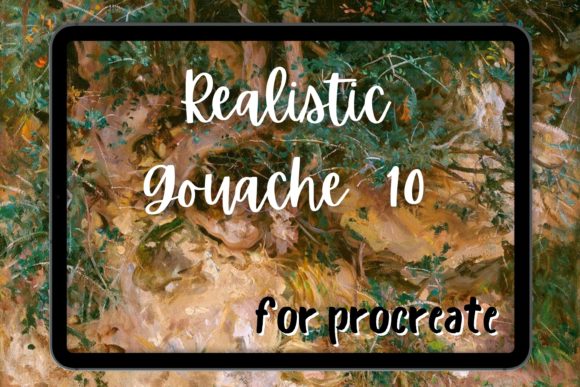
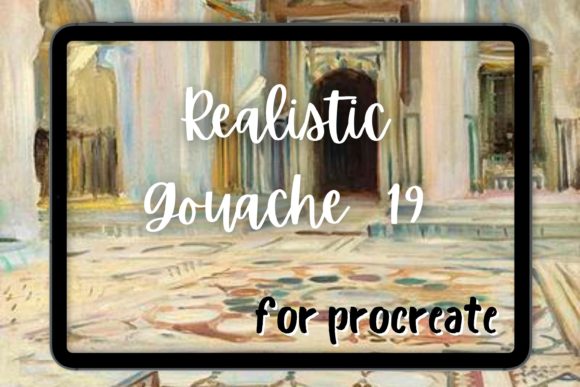
In an era where digital perfection often feels sterile, introducing organic imperfection can transform a flat composition into a compelling visual narrative. The Procreate Gouache Brush 19 Streaky Detai offers designers a sophisticated tool to bridge the gap between traditional media and modern digital workflows. By simulating the tactile resistance of paint on canvas, this asset allows creators to infuse their work with warmth, depth, and human touch, which are increasingly valued in contemporary branding and visual communication.
Elevating Brand Identity with Organic Textures
Modern graphic design is moving away from rigid minimalism toward more expressive, painterly aesthetics. Brands seeking to appear approachable, artisanal, or luxurious often benefit from the subtle irregularities that mimic hand-painted elements. Using a procreate gouache tool that replicates real-life brush strokes helps establish a unique brand identity that stands out in crowded digital marketplaces. Whether you are designing a logo for a boutique coffee shop or creating packaging for organic skincare, the streaky, textured finish adds a layer of authenticity that vector graphics alone cannot achieve.
The versatility of this brush extends beyond simple illustration. It serves as a critical component in building a cohesive visual hierarchy. When applied strategically, the wet-on-wet effects and dry brush textures can guide the viewer’s eye, creating focal points without relying solely on bold typography or high-contrast colors. This approach enhances user engagement by making static images feel dynamic and alive.
Practical Applications Across Design Disciplines
Integrating realistic texture tools like the Procreate Gouache Brush 19 Streaky Detail Realistic Gouache Painting Brush for Procreate can streamline your creative process across various projects. Here is how professional designers are leveraging these assets:
- Social Media Graphics: Create eye-catching posts that stop the scroll by combining bold typography with soft, painterly backgrounds.
- Editorial Design: Add artistic flair to magazine layouts and book covers, giving publications a curated, high-end feel.
- Web and UI Design: Use subtle texture overlays to break up large blocks of white space, adding warmth to digital interfaces without compromising readability.
- Packaging Design: Simulate hand-lettered labels or artistic illustrations that suggest craftsmanship and quality.
- Digital Marketing Assets: Enhance ad creatives with unique visual elements that differentiate your campaign from generic stock imagery.
Optimizing Your Creative Workflow
To maximize the impact of tools like the procreate oil brush or acrylic brush simulations, it is essential to understand the interplay between texture and composition. Overusing heavy textures can clutter a design and reduce clarity. Instead, aim for balance. Use the detail brush settings to add fine streaks and nuances only where necessary, such as in hero images or key visual elements. This ensures that the texture supports the message rather than distracting from it.
Consistency is also vital. When incorporating impressionism or abstract painting styles into a corporate brand system, define clear guidelines for color palettes and stroke density. A well-curated procreate bundle can help maintain this consistency by providing a unified set of textures that work harmoniously together. This approach ensures that your visual design remains professional and scalable across different mediums, from mobile screens to large-format print.
Selecting the Right Tools for Professional Results
When evaluating digital brushes, consider factors such as pressure sensitivity, opacity flow, and blending capabilities. A high-quality wet brush simulation should respond naturally to stylus input, allowing for spontaneous creativity while maintaining control. Look for assets that offer customizable settings, enabling you to adjust the streaky oil effect to match specific project requirements. This flexibility is crucial for adapting to diverse client needs and evolving design trends.
Furthermore, integrating these tools into your existing design workflow should enhance efficiency rather than complicate it. Choose brushes that are optimized for performance, ensuring smooth rendering even in complex documents. This allows you to focus on creative exploration and strategic decision-making rather than technical troubleshooting.
Ultimately, the goal of using advanced digital assets is to elevate the quality of communication. By thoughtfully applying realistic textures and painterly effects, designers can create more engaging, memorable, and emotionally resonant experiences. Whether you are refining a brand identity or crafting a unique creative project, the right tools empower you to deliver work that is not only visually stunning but also strategically effective.