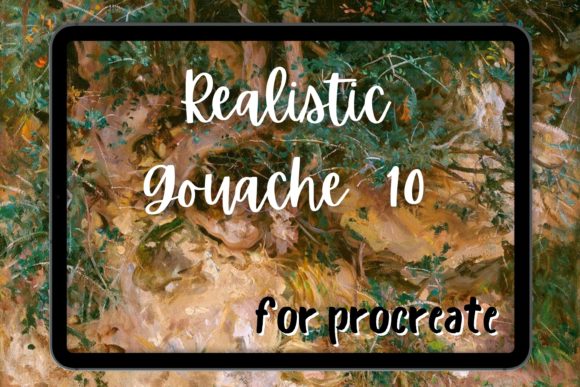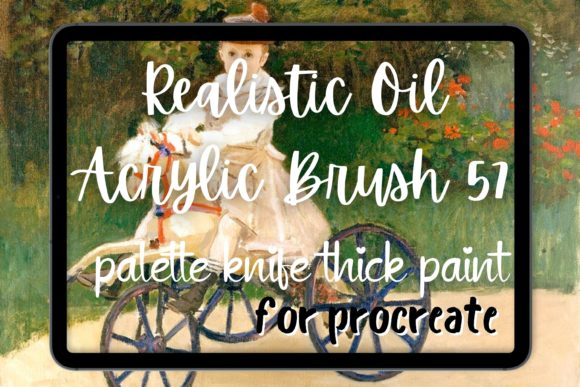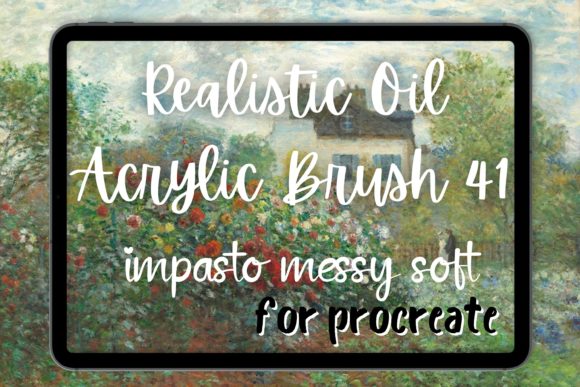
Mastering Texture with Procreate Oil Brush 71 Thick Dry
Digital painting has come a long way from the flat, vector-like illustrations of the early tablet era. Today, artists crave texture, resistance, and the chaotic beauty of traditional media. This is where Procreate Oil Brush 71 Thick Dry changes the game. It isn’t just another tool in your library; it is a bridge between the tactile satisfaction of physical canvas and the limitless flexibility of digital art. Designed to mimic the heavy impasto technique, this brush allows you to lay down paint that feels substantial, dry, and richly textured.
For many creators, the struggle with digital oil painting lies in the "slippery" feel of standard brushes. They glide too smoothly, lacking the friction that gives traditional painting its character. The Procreate Oil Brush 71 Thick Dry solves this by simulating the drag of stiff bristles against a woven surface. Whether you are aiming for a Van Gogh oil aesthetic or a modern abstract piece, this tool provides the necessary grit to make your work feel authentic.
Recreating the Impressionist Legacy
One of the most compelling use cases for this brush is studying and recreating the styles of the great masters. When we look at works by Vincent van Gogh, we don’t just see color; we see movement created by thick, deliberate strokes. Using a Procreate Van Gogh approach requires more than just swirling colors; it demands a brush that holds its shape.
The Procreate Oil Brush 71 Thick Dry excels here because it retains the ridge lines of each stroke. Imagine painting a starry night sky. With a standard soft brush, the blues and yellows would blend into a muddy gradient. With this dry oil brush, each dab of yellow remains distinct against the blue, creating that iconic, vibrating energy found in impressionism. It allows you to build up layers without losing the definition of the underlying strokes, giving your digital canvas the depth of a museum-quality oil painting.
Beyond Classical Art: Modern Applications
While historical replication is fun, the real power of this tool lies in contemporary design and illustration. Here is how different professionals and hobbyists can leverage this specific brush:
- Book Cover Designers: Fantasy and romance genres often rely on painterly aesthetics to evoke emotion. A painterly background created with thick dry strokes adds a sense of luxury and handcrafted quality that stock photos cannot match.
- Concept Artists: When blocking out environments, you need speed and texture. The dry nature of the brush allows for quick, rough shapes that suggest foliage, rock formations, or weathered walls without getting bogged down in details too early.
- Social Media Content Creators: In a feed saturated with clean, corporate graphics, a post featuring oil brush strokes stands out. It feels human and organic, stopping the scroll and inviting deeper engagement.
The Tactile Experience: Why "Dry" Matters
You might wonder why the "dry" aspect is so critical. In traditional painting, a dry brush technique is used to highlight textures and create broken color effects. It skips over the valleys of the canvas weave, catching only the peaks. Digitally, this translates to a brush that doesn't fully opacity-fill the area underneath.
This characteristic is vital for abstract painting. When you layer a thick oil brush stroke over a previous layer, you want to see hints of what lies beneath. It creates visual complexity and history within the artwork. If you are working with a Procreate bundle that includes various textures, pairing this brush with a canvas texture overlay amplifies the effect. The result is a piece that looks like it was scraped, dragged, and layered over weeks, rather than rendered in minutes.
Working with Different Mediums Digitally
Although labeled as an oil brush, the versatility of Procreate Oil Brush 71 Thick Dry extends to other mediums. Because it mimics the physical resistance of heavy body paint, it works exceptionally well for simulating:
- Acrylics: Acrylics dry faster and can be thicker than oils. By adjusting the flow settings slightly, this brush can replicate the plastic-like sheen and sharp edges of dried acrylic paint.
- Gouache: Gouache is known for its matte, opaque finish. The dry stroke capability helps achieve that flat, chalky look while still maintaining the hand-painted irregularities that make gouache charming.
This adaptability makes it a cornerstone tool for artists who refuse to be pigeonholed into one style. You can start a piece with loose, watery washes using a different brush and finish with the thick oil paint texture for highlights and focal points.
Practical Considerations Before You Paint
Before diving in, it is important to understand how to get the best results. Digital tools require a different mindset than physical ones. Here are some practical observations to keep in mind:
Canvas Resolution is Key: To truly appreciate the detail of the Procreate Oil Brush 71 Thick Dry, you need a high-resolution canvas. If your document is too small, the intricate texture of the brush strokes will pixelate or blur, losing that realistic edge. Aim for at least 300 DPI if you plan to print your work.
Pressure Sensitivity: This brush relies heavily on your Apple Pencil pressure. A light touch will give you a scratchy, translucent mark, perfect for glazing. Pressing harder deposits a solid, opaque chunk of "paint." Practice varying your pressure within a single stroke to create dynamic lines that taper and swell naturally.
Color Mixing: Unlike traditional oils, Procreate does not mix colors on the canvas automatically unless you use specific blending modes or smudge tools. To get the most out of this brush, pick your colors carefully before applying. Alternatively, use the smudge tool with a similar texture to blend edges gently, maintaining the dry brush aesthetic without turning it into a smooth gradient.
Navigating Limitations
No tool is perfect for every scenario. The Procreate Oil Brush 71 Thick Dry is intentionally textured and heavy. This means it is not suitable for fine line work, intricate detailing, or smooth gradients. Trying to write text or draw precise architectural lines with it will result in jagged, uneven edges. It is a expressive tool, not a precision instrument.
Additionally, because it simulates thick paint, it can be computationally intensive if used on extremely large canvases with thousands of layers. If you notice lag, consider merging layers or reducing the canvas size. The benefit of the realistic oil painting brush for Procreate experience comes with the cost of higher data usage per stroke.
Finding Your Flow
Ultimately, the value of this brush lies in how it makes you feel while creating. Many artists report that using tools like the Procreate Oil Brush 71 Thick Dry reduces the intimidation of the blank white screen. The immediate texture provides a starting point, encouraging experimentation and happy accidents. It invites you to play, to scrape, and to build.
Whether you are a seasoned illustrator looking to add warmth to your portfolio or a beginner eager to explore the world of Van Gogh brush techniques, this tool offers a tangible connection to the art of painting. It transforms the glass screen of your iPad into a virtual easel, complete with the smell of turpentine imagined and the joy of creation realized. Embrace the thickness, enjoy the drag, and let your digital strokes breathe with life.