Mastering the Tiles Pattern for Efficient Design and Workflow Integration
In the realm of digital design, architectural planning, and even content strategy, the concept of repetition with variation is fundamental. The Tiles Pattern serves as a foundational structure that allows creators to build complex, cohesive systems from simple, reusable units. Whether you are a web developer constructing a responsive grid, an interior designer selecting flooring, or a marketer organizing a content calendar, understanding how to effectively implement this pattern can significantly enhance efficiency and visual consistency.
The core idea behind the Tiles Pattern is modularization. By breaking down a large project into smaller, self-contained components—tiles—you create a system that is easier to manage, scale, and modify. This approach is not merely aesthetic; it is deeply functional. It aligns with modern workflows that prioritize agility, reusability, and clear organization. When you adopt this pattern, you are essentially creating a library of assets or ideas that can be rearranged without losing structural integrity.
Understanding the Core Mechanics of Tiling
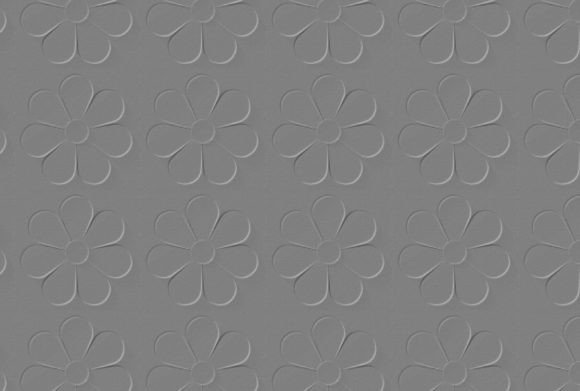
At its simplest, a tile is a unit of information or design that fits seamlessly with others. In graphic design, this might be a repeating geometric shape. In user interface (UI) design, it is often a card containing an image, a headline, and a call-to-action button. In project management, a tile could represent a specific task within a larger sprint. The power lies in the interoperability of these units.
For professionals aged 20–50 who juggle multiple responsibilities, the cognitive load of managing disparate elements can be overwhelming. The Tiles Pattern reduces this load by establishing strict boundaries and consistent rules for each unit. Once you define the parameters of a single tile—its dimensions, style, or data structure—you can replicate it across your project with confidence. This ensures that every part of your output adheres to the same quality standards, reducing the need for constant micro-adjustments.
Key Characteristics of Effective Tiles
- Consistency: Each tile must adhere to a shared visual or logical language. This includes uniform padding, font sizes, color palettes, or data fields.
- Modularity: Tiles should function independently. Removing or adding a tile should not break the overall layout or workflow.
- Scalability: The pattern must work whether you have four tiles or four hundred. Responsive design principles often rely on this characteristic to adapt to different screen sizes.
- Clarity: Each tile should convey its message or function clearly within its confined space, avoiding clutter and ambiguity.
Integrating the Tiles Pattern into Your Workflow
Implementing the Tiles Pattern is not a one-time action but a strategic choice that influences various stages of a project. It fits naturally into both creative and analytical processes. Here is how you can integrate it before, during, and after key phases of your work.
Preparation and Planning Phase
Before you begin execution, use the Tiles Pattern to organize your resources. If you are launching a new product, create "content tiles" for each feature. Define what information goes into each tile: a headline, a short description, an icon, and a link. By standardizing this structure early, you streamline the creation process. This preparation phase is crucial for maintaining consistency later on. It also helps in identifying gaps in your content or design early, allowing you to adjust your strategy before significant resources are committed.
For educators and trainers, this might involve breaking down a course curriculum into modular learning units. Each unit becomes a tile that can be rearranged based on student needs or updated independently without overhauling the entire course. This flexibility is a major advantage in dynamic environments where requirements change frequently.
Execution and Creation Phase
During the creation phase, the Tiles Pattern acts as a productivity multiplier. Instead of designing each page or section from scratch, you assemble pre-defined tiles. This is particularly effective in web development using component-based frameworks like React or Vue. Developers build a library of UI components (tiles) and then compose pages by arranging these components. This method drastically reduces coding time and minimizes bugs, as each component has already been tested and optimized.
In marketing, this translates to creating template-based social media posts. You design a master tile layout, and then simply swap out images and text for different campaigns. This ensures brand consistency while allowing for rapid production. The key here is to focus on the system rather than individual instances. Spend time refining the tile template, and the rest of the work becomes straightforward assembly.
Review and Optimization Phase
After implementation, the modular nature of the Tiles Pattern simplifies quality control and optimization. If a particular type of tile is underperforming—perhaps a specific blog post format isn't getting clicks, or a certain UI card has a high bounce rate—you can isolate and improve that specific unit. You do not need to redesign the entire website or content strategy. This targeted approach to improvement saves time and resources.
Furthermore, analytics become more meaningful when applied to standardized units. You can compare the performance of similar tiles across different contexts to identify best practices. This data-driven insight allows for continuous refinement of your pattern, leading to better outcomes over time.
Compatibility with Other Tools and Methods
The Tiles Pattern does not exist in isolation. It complements many other popular methodologies and tools. For instance, it pairs exceptionally well with Agile and Scrum frameworks. In Agile, work is broken down into user stories and tasks, which can be visualized as tiles on a Kanban board. This visual representation helps teams track progress and identify bottlenecks quickly.
In terms of software, design tools like Figma and Sketch offer features specifically designed for creating and managing components, which are essentially digital tiles. Using these tools, you can create a master component and propagate changes to all instances automatically. This ensures that your design system remains synchronized across all projects. Similarly, content management systems (CMS) like WordPress or Drupal allow you to create custom post types and blocks that function as tiles, enabling non-technical users to assemble pages easily.
When working with teams, the Tiles Pattern facilitates better collaboration. Designers can create the tile templates, developers can code them, and content creators can fill them. Because the boundaries and requirements of each tile are clearly defined, handoffs between team members are smoother, and misunderstandings are minimized.
Practical Tips for Long-Term Success
To get the most out of the Tiles Pattern, consider the following practical advice:
- Start Small: Do not try to tile your entire project at once. Begin with a few key components or content types. Refine them until they work perfectly, then expand.
- Document Your Rules: Create a style guide or documentation that explains how tiles should be used. Include details on spacing, typography, and acceptable variations. This ensures that everyone on your team follows the same standards.
- Allow for Flexibility: While consistency is key, rigid adherence can lead to monotony. Allow for slight variations in color or imagery to keep the output engaging. The structure should be rigid, but the content within can be dynamic.
- Test Responsiveness: Ensure that your tiles look good and function well on all devices. A tile that works on a desktop may need to stack or resize differently on a mobile screen. Plan for these adaptations from the start.
- Regularly Audit Your Library: Over time, you may accumulate unused or outdated tiles. Regularly review your library and remove anything that is no longer relevant. This keeps your system lean and efficient.
By integrating the Tiles Pattern into your professional toolkit, you create a foundation for sustainable growth and efficiency. It transforms chaotic, ad-hoc processes into structured, manageable workflows. Whether you are designing a user interface, planning a marketing campaign, or organizing personal goals, the principle of modular repetition offers clarity and control. Embrace this pattern, and you will find that your work becomes not only easier to produce but also more consistent and impactful in the long run.