Romantic Flower: Integrating Digital Assets into Creative Workflows
In the modern digital design landscape, efficiency is not merely a preference; it is a necessity. Whether you are a freelance graphic designer, a small business owner managing your own branding, or a content creator looking to elevate your visual storytelling, the tools you choose define the quality and speed of your output. This is where Romantic Flower enters the conversation. It is not just a static image or a simple clipart collection; it is a comprehensive asset package designed to streamline the creation of logos, illustrations, and special backgrounds. By understanding how to integrate these resources into your broader creative process, you can significantly reduce production time while maintaining high aesthetic standards.
Understanding the Asset Package
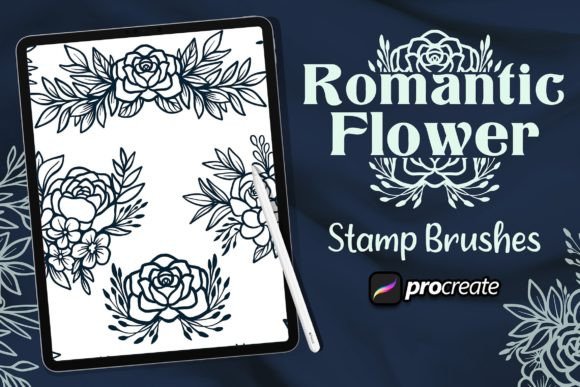
At its core, Romantic Flower is a curated collection of digital brushes and vector elements. The value proposition lies in its completeness. As noted in the product description, "in this package you will find everything you need." This all-in-one approach eliminates the fragmented workflow many creators face, where they might spend hours searching for compatible fonts, matching background textures, and cohesive icon sets across different marketplaces. Instead, you have a unified library that ensures visual consistency from the start.
The primary component of this package is the brush set. For those unfamiliar with digital painting tools, a brush in software like Adobe Photoshop, Procreate, or Clip Studio Paint is a preset that dictates how digital ink behaves. Using a brush from the Romantic Flower collection is described as "very simple," requiring only two actions: placing the brush strokes and selecting the appropriate brush from the panel. While this sounds trivial, the implication for workflow is profound. It removes technical friction, allowing you to focus on composition and artistic intent rather than fighting with tool settings.
Pre-Production: Preparation and Compatibility
Before you begin any creative project, proper preparation is key to avoiding bottlenecks later. When incorporating Romantic Flower into your workflow, the first step is ensuring compatibility with your chosen software. Most professional-grade brush packages are designed for industry-standard applications. Verify that your version of Photoshop, Affinity Designer, or other preferred platforms supports the file formats included in the package (typically .abr for Photoshop or .brushset for Procreate).
Organization is another critical factor during the pre-production phase. Do not simply dump the new assets into your default folder. Create a dedicated directory for Romantic Flower within your asset library. Tag the files with relevant metadata if your operating system allows it. This might seem like an administrative task, but when you are in the middle of a tight deadline, being able to locate specific floral elements or background textures instantly can save valuable minutes. Consider creating a "swatch board" or a reference sheet where you test each brush stroke on a blank canvas. This visual index serves as a quick lookup table, helping you decide which brush fits the mood of your current project without having to click through dozens of options blindly.
Execution: Streamlining the Design Process
Once prepared, the implementation of Romantic Flower can transform several stages of the design process. Let us look at three common use cases: logo creation, illustration, and background design.
Logo Design and Branding
Creating a logo often requires balancing uniqueness with simplicity. The floral elements in this package can serve as the foundational structure for boutique brands, wedding planners, or wellness coaches. Instead of drawing complex petals from scratch, you can use the provided brushes to lay down the basic shape. Because the brushes are pre-configured, the line weight and texture remain consistent. This consistency is crucial for brand identity. You can layer different strokes to create depth, then convert the raster layers into vectors if necessary for scalability. The key here is iteration; use the variety in the brush panel to experiment with different arrangements rapidly until you find a composition that feels balanced.
Illustration and Artistic Expression
For illustrators, the simplicity of the tool—"just place the brush strokes"—allows for a more intuitive drawing experience. When working on editorial illustrations or book covers, the Romantic Flower brushes can add organic texture that hard vector lines often lack. You can use them to create foreground details that draw the viewer’s eye, or subtle background motifs that add richness without overwhelming the main subject. The workflow here involves layering. Start with broad, light strokes to establish the form, then select denser, more detailed brushes from the panel to add definition. This method mimics traditional media techniques, providing a natural feel to digital work.
Special Backgrounds and Textures
Backgrounds are often an afterthought, yet they set the tone for the entire piece. Using Romantic Flower for backgrounds requires a shift in mindset. Instead of viewing the brushes as objects to be placed, view them as textures to be blended. Lower the opacity of the brush strokes and use large, soft tips to create atmospheric effects. This is particularly useful for social media graphics, website headers, or presentation slides where text needs to be overlaid. A subtle floral texture provides visual interest without competing with the copy, enhancing readability and engagement.
Integration with Other Tools and Methods
No design tool exists in a vacuum. Romantic Flower works best when combined with other resources. For instance, pair these floral brushes with clean, sans-serif typography to create a modern contrast. Use color grading tools to adjust the hue of the flowers to match your client’s brand palette. If you are working in a team, share the brush presets so that all designers maintain a consistent style across deliverables. This standardization is vital for agencies handling multiple projects for the same client.
Furthermore, consider the role of these assets in your learning activity or skill development. If you are a beginner, using pre-made brushes can help you understand composition and spacing without getting bogged down in technical drawing skills. Observe how the brushes behave, how they overlap, and how they interact with different blend modes. This observational learning accelerates your proficiency with digital art software.
Quality Control and Long-Term Use
To ensure long-term value, regularly audit your use of the Romantic Flower package. Are you relying too heavily on one specific brush? Challenge yourself to explore the less-used options in the panel. This prevents your work from becoming repetitive and keeps your portfolio diverse. Additionally, keep the software updated. Brush engines evolve, and newer versions of design software may offer features that enhance the performance of these assets, such as better pressure sensitivity support or improved rendering speeds.
Quality control also involves checking the output resolution. Ensure that the brushes are being used at a canvas size appropriate for the final medium. A brush that looks crisp on a web banner may appear pixelated on a large-format print. Always test your designs at 100% zoom before finalizing. If the package includes vector components, utilize them for scalable items like logos to ensure infinite resolution independence.
Conclusion: Enhancing Productivity Through Smart Asset Selection
The integration of Romantic Flower into your creative toolkit is about more than just adding pretty images to your work. It is a strategic decision to optimize your workflow, reduce decision fatigue, and maintain high-quality output. By preparing your environment, understanding the versatility of the brushes, and combining them with other design principles, you create a seamless process that supports both creativity and efficiency. Whether you are crafting a brand identity, illustrating a story, or designing a digital background, these assets provide the structural support needed to bring your vision to life with precision and ease. Embrace the simplicity of the tool, but master the complexity of its application to truly elevate your professional practice.